Shein: A Digital Marketing Case Study
Technology, Regulation, and Social Impact
Introduction
- Shein has emerged as a dominant force in fast fashion e-commerce
- Founded in 2008, now valued at approximately $66 billion
- Revenue of $22.7 billion in 2022, with operations in 150+ countries
- Case study examines three key aspects:
- Technology innovation and digital strategy
- Regulatory challenges
- Social impact factors
Technology Use: Digital Supply Chain
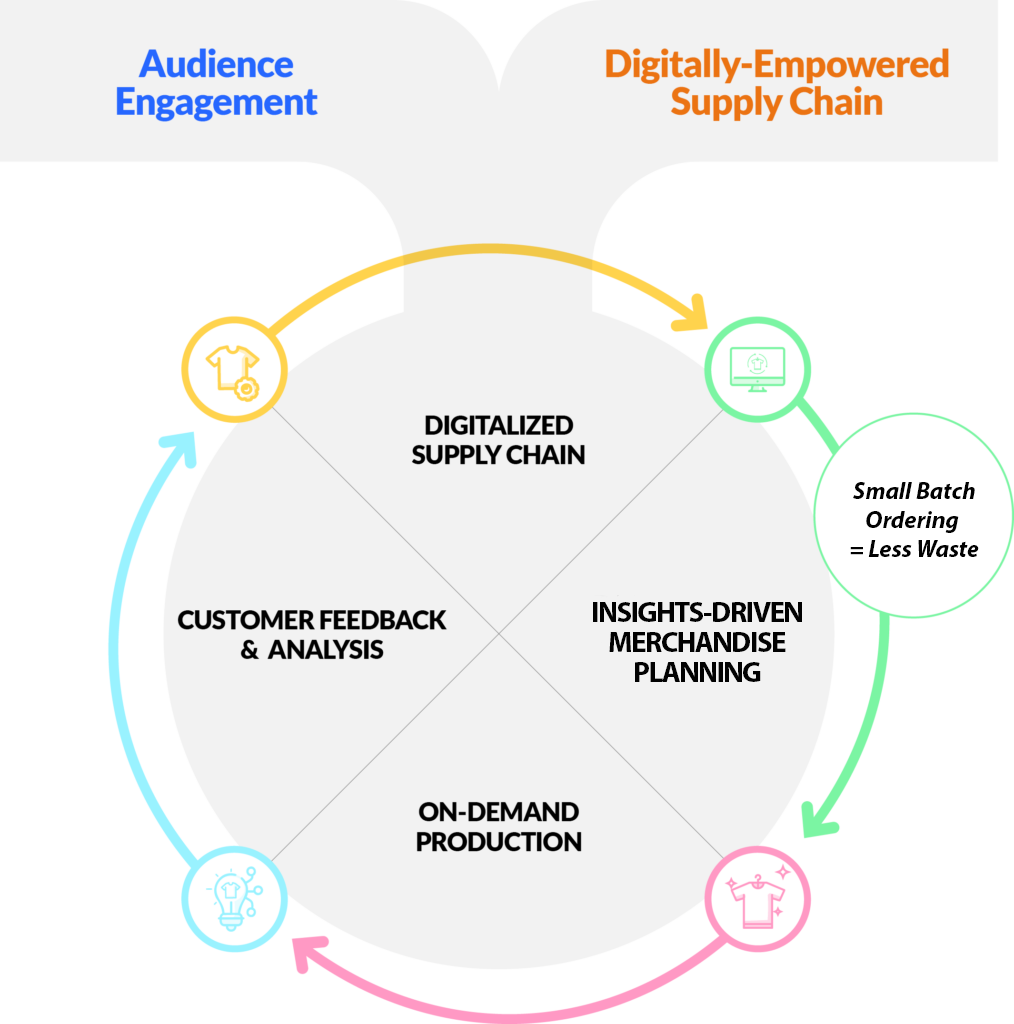
Technology Use: Digital Supply Chain
- Proprietary digital supply chain management technology
- Tests products in small batches
- Responds to consumer feedback in real-time
- Produces 500-2,000 new pieces daily
- “Small-batch on-demand” model minimizes waste
- 5,400 suppliers have access to AI platform with real-time customer preference data
Sources: Retail Insight Network (2024); Time (2023)
Technology Use: Data-Driven Decision Making
- Machine learning algorithms predict demand and identify “micro trends”
- App recorded 261.9+ million downloads in 2023
- 53+ million active users worldwide
- Real-time data analytics for precise manufacturing
- Hashtag #Shein on TikTok: 84.4+ billion views
Sources: Latterly.org (2025); CKGSB Knowledge (2024)
Technology Use: Omnichannel Marketing
- Aggressive social media marketing approach
- Influencer partnerships and #SHEINhaul videos
- Strategic partnerships with brick-and-mortar retailers
- Seamless online and offline shopping experiences
- Operations in 220 countries with diversified customer base
Sources: Time (2023); Latterly.org (2025)
Regulation
What Shein doesn’t talk about is a tariff loophole known as the “de minimis” exemption for small shipments valued at less than $800 (Forbes, 2024)
- Because Shein and Temu treat each order as a separate shipment, and the average order is well below $800, packages sent to the US are allowed in duty free.
Conclusion: Key Takeaways
- Technology Innovation: Shein’s digital-first approach revolutionized fast fashion
- AI-driven demand prediction, real-time analytics, omnichannel strategy
- Regulatory Challenges: Exploitation of loopholes in regulation.
- Social Impact: Tension between affordability and sustainability
References
Latterly.org. (2025). SHEIN Marketing Strategy 2025: A Case Study. https://www.latterly.org/shein-marketing-strategy/
SHEIN Group. (2024). Our Supply Chain. https://www.sheingroup.com/our-business/our-supply-chain/
CKGSB Knowledge. (2024). SHEIN’s Cross-Border E-Commerce Dominance: From Start-Up to Global Leader. https://english.ckgsb.edu.cn/knowledge/article/shein-cross-border-e-commerce-dominance-from-start-up-to-global-leader/
Retail Insight Network. (2024). The Shein effect: disrupting e-commerce and shaping the future of retail. https://www.retail-insight-network.com/interviews/shein-disrupting-e-commerce-future-of-retail/
Advanced Digital Marketing: Case Study | 2025
Social Factors: Consumer Behavior
Sources: Latterly.org (2025)